Gender Equality
Chair

Dr Yselle Malah Kuete
University of Yaoundé II
Vice Chair
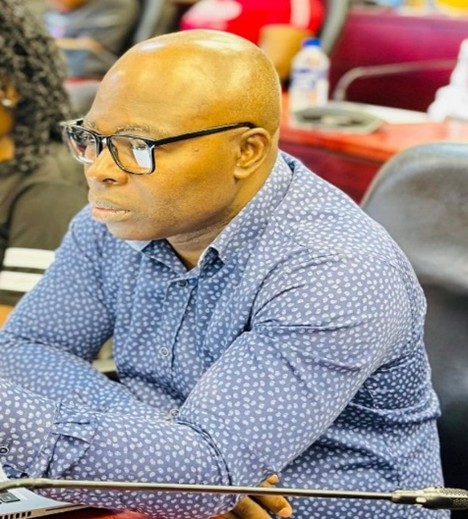
Dr. Lupwana Jean Jacques Kandala
University of Venda
Members

Dr. Aliaa Amer
Cairo Demographic Center – Egypt

Dr. Daniel Yaw Fiaveh
University of Cape Coast, Ghana

Desiree (Dez) Jason
National Department of Social Development

Souaréba Pabamé
Yaoundé, Cameroun
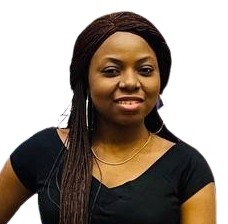
Adeola Oyewole
HSE University, Moscow, Russia
Description
The Union for African Population Studies (UAPS) is pleased to announce the reconstitution of its Gender Panel as part of our ongoing commitment to promoting inclusive, equitable, and gender-responsive research, policy, and programming across the African continent.
Gender Equality is a critical lens in understanding population dynamics, development challenges, and social transformation in Africa. The reconstituted Gender Panel will play a vital role in guiding UAPS’s work on gender by:
- Providing strategic direction on gender-focused research and programming
- Supporting capacity-building initiatives and training
- Facilitating dialogue among researchers, policymakers, and practitioners
- Contributing to publications and scientific outputs on gender and population
Panel Objective
The panel aims to adopt a robust, scientific approach to identifying the root causes of gender inequality and developing effective strategies to dismantle barriers to equality. It will focus on understanding the dynamics of gendered power structures within political, economic, and social spheres, with particular emphasis on leveraging current policies and scientific evidence to inform decisions that promote and sustain gender equality
Thematic Areas Of Focus
The Panel will focus on, but is not limited to, the following areas:
- Gender Disparities in Health: This could encompass the differences in healthcare access, outcomes, and services between genders, such as maternal health, reproductive health, gendered impacts of diseases (e.g., HIV, cancer), and the underrepresentation of women in medical research.
- Gender Disparities in Education: This would include the unequal access to quality education for different genders, gender stereotypes in curricula, access to STEM education, barriers for women in higher education, and educational attainment gaps.
- Gender Disparities in Employment: Focus on wage gaps, occupational segregation, barriers to leadership roles, discrimination in hiring and promotion practices, workplace harassment, and unequal access to training and skills development.
- Gender Disparities in Political Participation: Examine the underrepresentation of women in political offices, barriers to political engagement (e.g., voter suppression, political violence), gender biases in political decision-making, and the impact of gender on policies.
- Cross-cutting Themes: In some cases, gender disparities are not isolated within one sector; for example, there may be an intersection between health, employment, and education disparities due to race, ethnicity, or socioeconomic status. These intersections should also be acknowledged where applicable.
Programme of Activities
Webinar
1. Reproductive Rights, Demographic Change, and Social Equity: Perspectives and Evidence in Africa
Date: 5th September 2025
Time: 14:00 – 16:00 UTC
2. Voices of African Women Series