Adolescent and Youth Development Panel
Chair

Prof. Joshua Amo-Adjei
University of Cape Coast
Vice Chair

Dr. Naomi Wekwete
University of Zimbabwe
Members
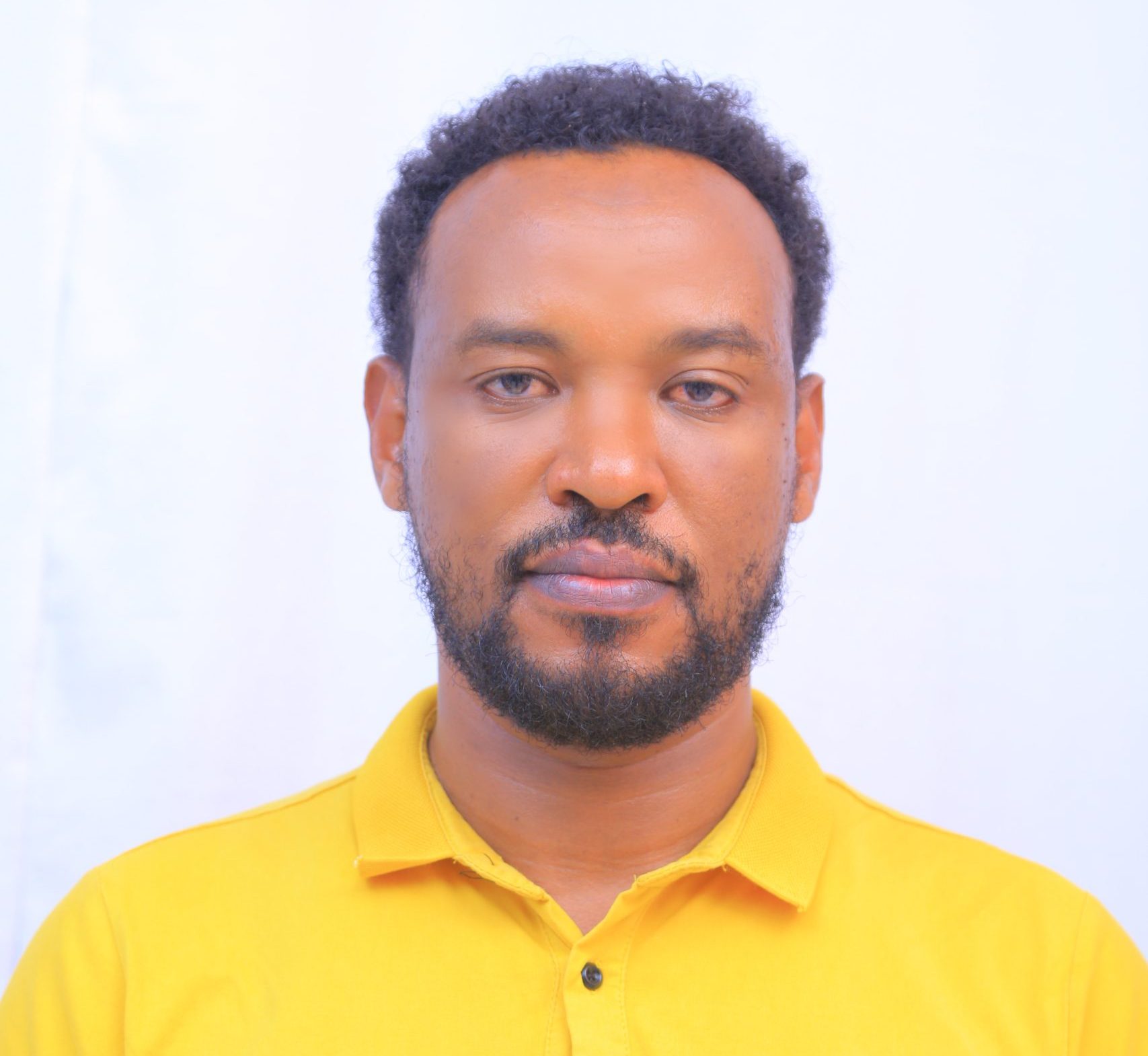
Sultan Hebo
Arba Minch University

Amr Abdelwahed
Cairo University
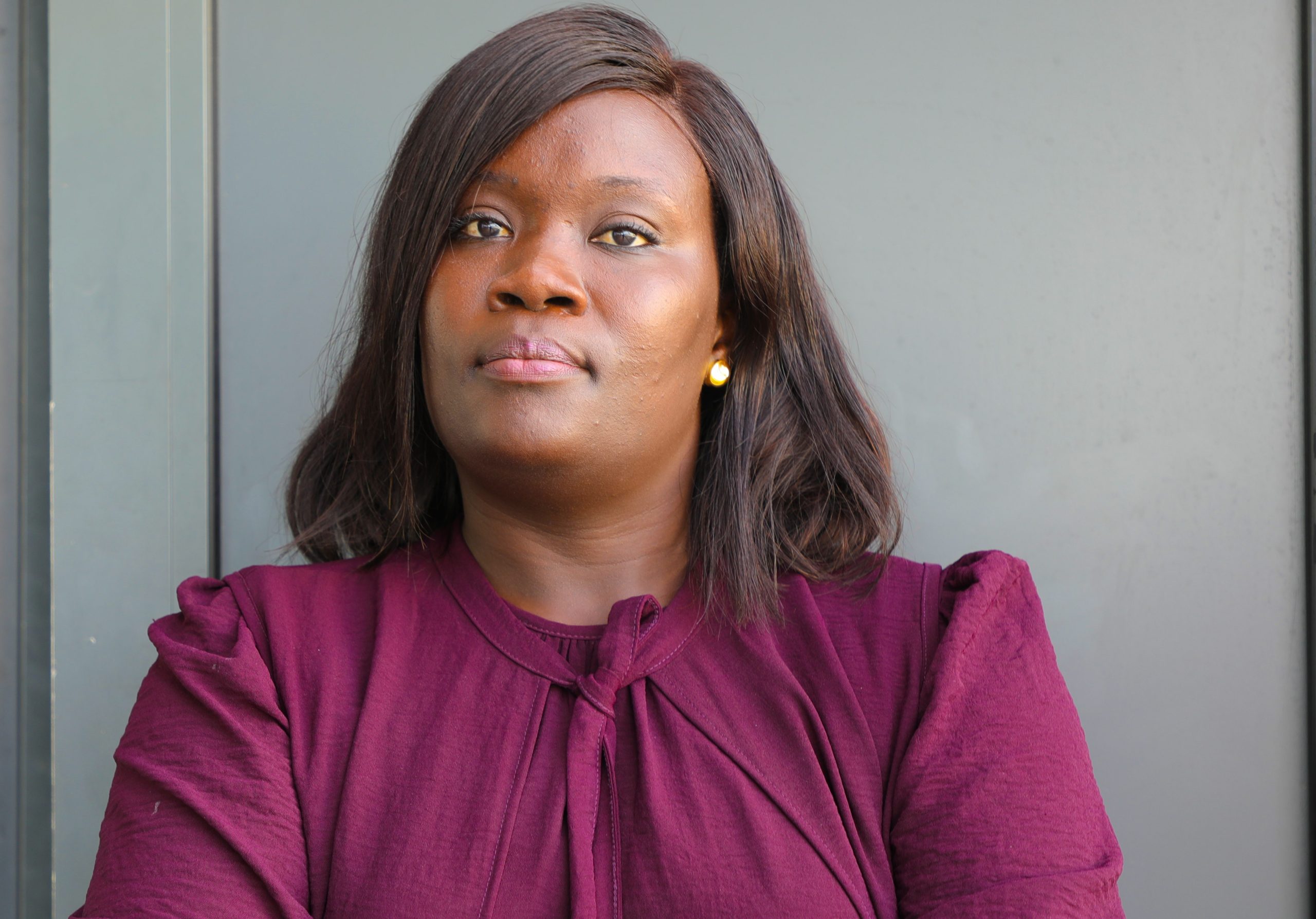
Diarra Bousso Senghor
Cheikh Anta Diop University

Mobolaji Ibitoye
Rutgers School of Public Health

Sibusiso Mkwananzi
Wits Reproductive Health and HIV Institute (Wits RHI)

Oloruntomiwa Ifedayo Oyetunde
University of Ibadan
DESCRIPTION
The Adolescent and Youth Scientific Panel is one of UAPS’ scientific panels, established to catalyze research, policy dialogue, and advocacy focused on Africa’s growing adolescent and youth population. With over 60% of the population under the age of 25, investing in adolescents and youth is critical for Africa’s sustainable development and demographic dividend.
The Panel will serve as a knowledge and coordination hub, ensuring that adolescent and youth perspectives are systematically embedded in broader population and development discourses, evidence generation, and policy recommendations. As such, this panel is positioned at the core of UAPS’s scientific ecosystem. It will play a cross-cutting and integrative role, linking and amplifying the work of other UAPS panels by addressing adolescent and youth dimensions in each domain.
PANEL OBJECTIVE
The purpose of the Adolescent and Youth Thematic Panel is to provide intellectual leadership, promote interdisciplinary collaboration, and support the use of evidence to inform programs and policies that affect adolescents and youth in Africa.
- Promote research and knowledge generation on the health, education, employment, rights, climate change and wellbeing of adolescents and youth.
- Foster dialogue between researchers, youth-led organizations, policymakers, and other stakeholders to influence youth-centered policies and programs.
- Support the development and dissemination of policy-relevant research on emerging adolescent and youth issues (e.g., SRHR, digital inclusion, mental health, climate change).
- Build the capacity of early-career researchers and youth scholars in adolescent and youth-focused research.
- Facilitate regional and continental collaboration on adolescent and youth issues.
- Organize knowledge-sharing events (e.g., webinars, panel discussions, conference sessions) on topics relevant to youth development and the demographic dividend.
–