Date: 18 June 2025
Venue: Hotel Africana (Sezzibwa Hall), Kampala, Uganda
Time: 16:00–17:30
Introduction
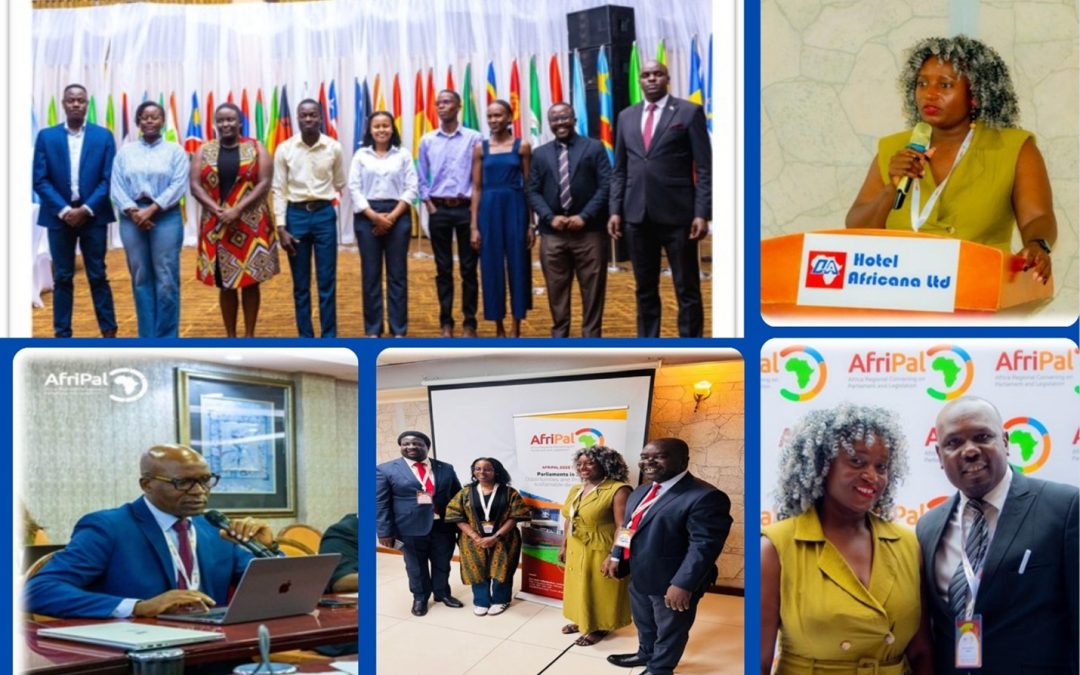
At the 9th African Population Conference (APC) held in Lilongwe, Malawi (2024), parliamentarians issued a declaration on population and development, emphasizing youth across multiple themes. One year later, the Inaugural Africa Regional Conference on Parliament and Legislation (AFRIPAL) provided an opportunity to review progress. UAPS, represented by its Southern Africa office, convened a panel on Youth Demographics, Peace and Security as a follow-up to the APC declaration.
Objectives
The discussion aimed to unpack:
- African youth demographics and global comparisons.
- Legislative frameworks for youth development and peacebuilding.
- The role of parliaments in financing youth-focused initiatives.
- Drivers of youth vulnerability to violence and extremism.
- Effective youth empowerment programs and partnerships.
Panel Format
The 90-minute session followed a traditional panel format, moderated by Dr. Lutendo Malisha (UAPS Southern Africa Representative), with presentations by legislators, practitioners, and development experts, followed by audience Q&A.
Key Panellists and Contributions
Hon. Imanga Wamunyima Jr (Zambia)
- Outlined Zambia’s evolving national youth policy (1994–2024) and the Youth Development Fund.
- Emphasized the need for stronger monitoring, accountability, and civil society collaboration to ensure resources reach young people.
Dr. Fredrik Mugisha (UNDP)
- Highlighted that recruitment into violent groups often starts in childhood.
- Stressed the importance of intergenerational approaches and family-level prevention strategies.
Ms. Edna Kanyesigye (Faraja Africa Foundation, Uganda)
- Reflected on Uganda’s youth livelihood programs and challenges in accessibility, accountability, and rural inclusion.
- Called for reforms to improve financing mechanisms, transparency, and youth participation in budget processes.
Takeaways
- Policy vs. Implementation: Most African countries have national youth policies, but poor implementation, weak monitoring, and corruption hinder impact.
- Youth Vulnerabilities: High unemployment, school dropouts, substance abuse, and exclusion make youth susceptible to extremist recruitment.
- Funding Gaps: Limited and poorly monitored budget allocations weaken youth peacebuilding initiatives.
- Opportunities: Intergenerational approaches, civil society partnerships, and stronger parliamentary youth caucuses can improve outcomes.
Lessons for UAPS Participation
- Securing funding early is critical.
- Future participation should include capacity-building workshops and exhibitions to maximize visibility and influence.
- AFRIPAL is a strategic platform to review APC declarations and engage parliamentarians on population and development.
Conclusion
The inaugural AFRIPAL conference brought together 350 participants from 47 countries, bridging research, policy, legislation, and practice. For UAPS, this space presents an enduring opportunity to strengthen engagement with African legislators and advance accountability for population and development commitments.
Recent Comments