

Key Objectives
Support the training of the next generation of researchers
Link scholars for knowledge sharing through various forms of networking
Promote dialogue between population and development experts and policy makers
Foster the visibility of scientific research on Africa population
Get Involved
UAPS aim to promote research, capacity building, and policy dialogue in specific areas of specialization in population and development in Africa. In line with this effort, the UAPS Council is inviting you to get involved by proposing new thematic areas where you, together with other population scientists can contribute to African development.
Recent News
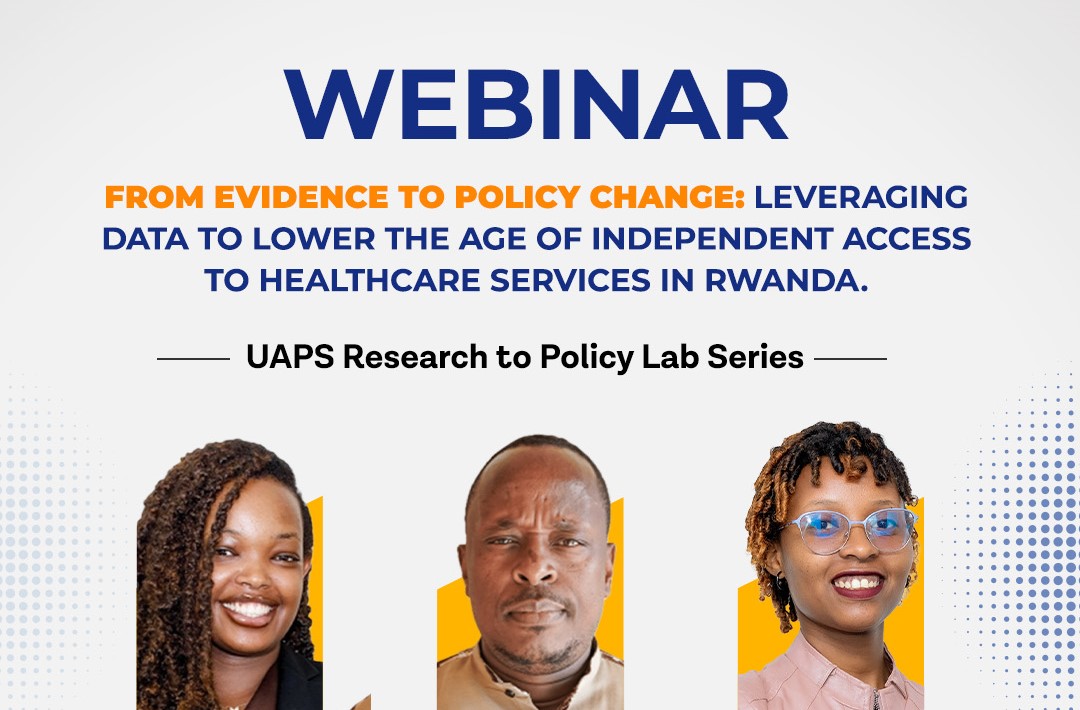
Understanding and Addressing “Hidden” Contraceptive Demand Across Africa
Date: November 05, 2025 Time: 19:00 – 21:00 (America / Bogota – Colombia) Venue: 3rd...
Launching: Skilling Africa for the AI Era: Webinar Series on Data Science Tools and Policy Applications (AI & Data Science Webinar Series for Africa’s Digital Future)
The Union for African Population Studies (UAPS) in collaboration with the Population & Social...
Launch of UAPS Data and AI Scientific Thematic Panel
The Union for African Population Studies announces the establishment of its Data and AI Scientific...
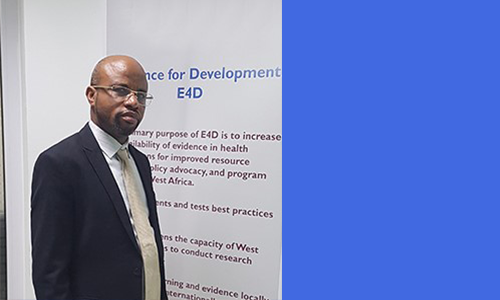
Jacques Emina
He is a Professor at the University of Kinshasa in DR. Congo.
He has extensive Experience in Monitoring and Evaluation, population and health policy’s analysis, sexual and reproductive health, the demography of marginalized and vulnerable population, operations research, and the Demography of family and household.
Jacques was currently featured on WHO and UN DESA’s Technical Advisory Group on COVID-19 Mortality Assessment.
Selected Publications
Membership Spotlight
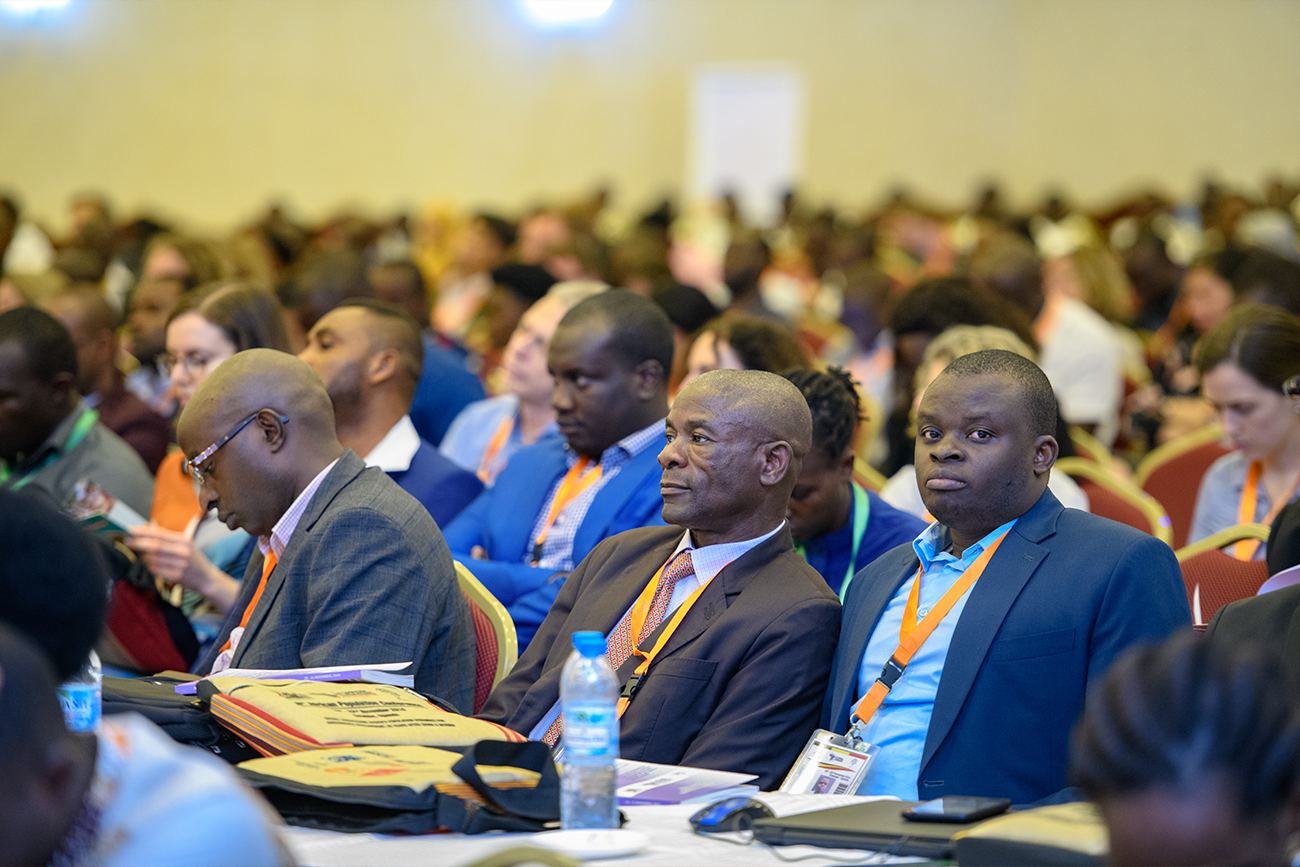
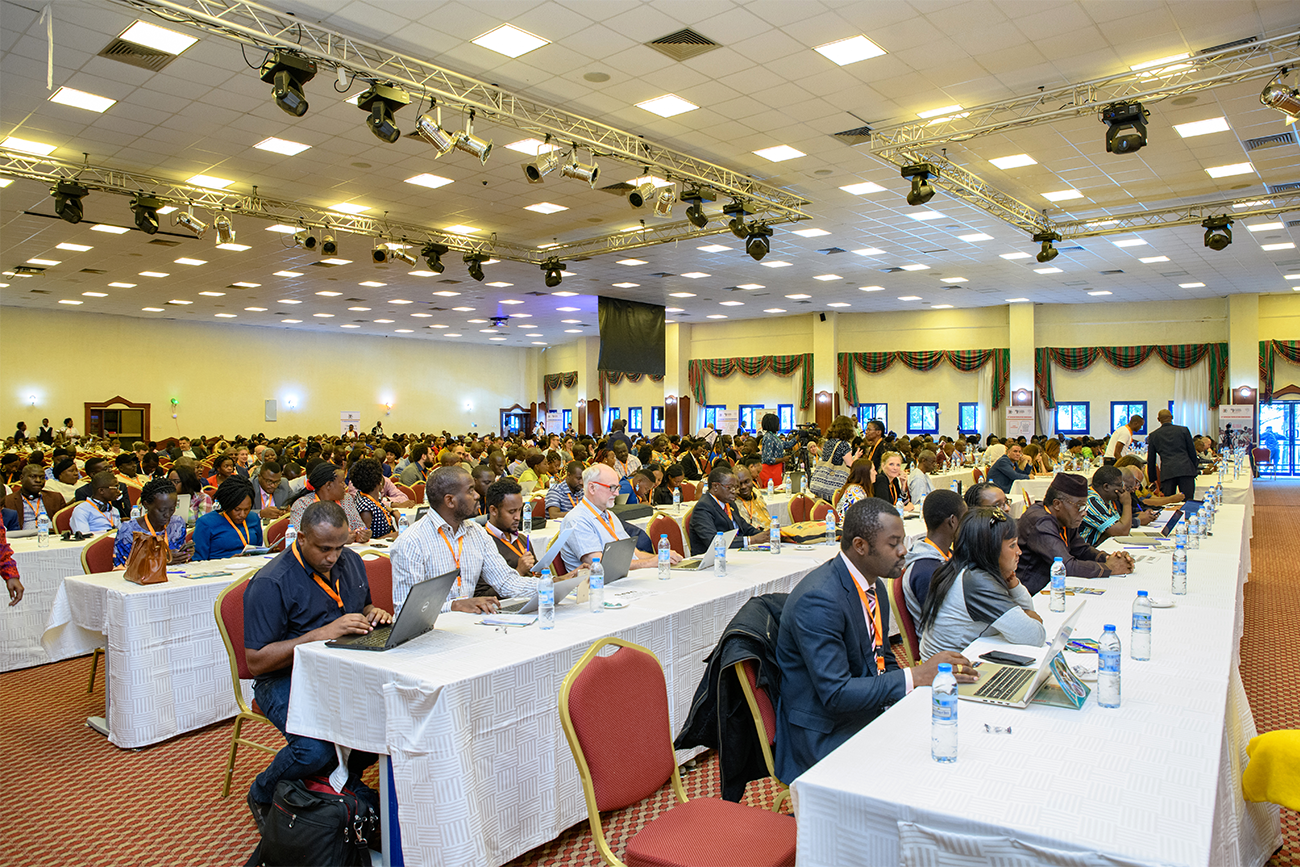
The African Population Conference, a UAPS hallmark, is the largest scientific meeting on population issues organised every four years and the recent one, the 8th APC took place in Entebbe, Uganda from the 18th to 22nd November 2019.
In 2018, Malaria accounted for 38% of the overall morbidity and 36% of the overall mortality in the Democratic Republic of Congo (DRC). This study aimed to identify malaria socioeconomic predictors among children aged 6–59 months in DRC
Jacques B. O. Emina, Parfait Gahungu, Francis Iyese1, Rinelle Etinkum, Brigitte Kini, Joseph Fataki Mobolua, Mohira Boboeva, Loulou Kobeissi. Population and Health Research Institute, Kinshasa, Democratic Republic of Congo (DRC), 3 Programme National