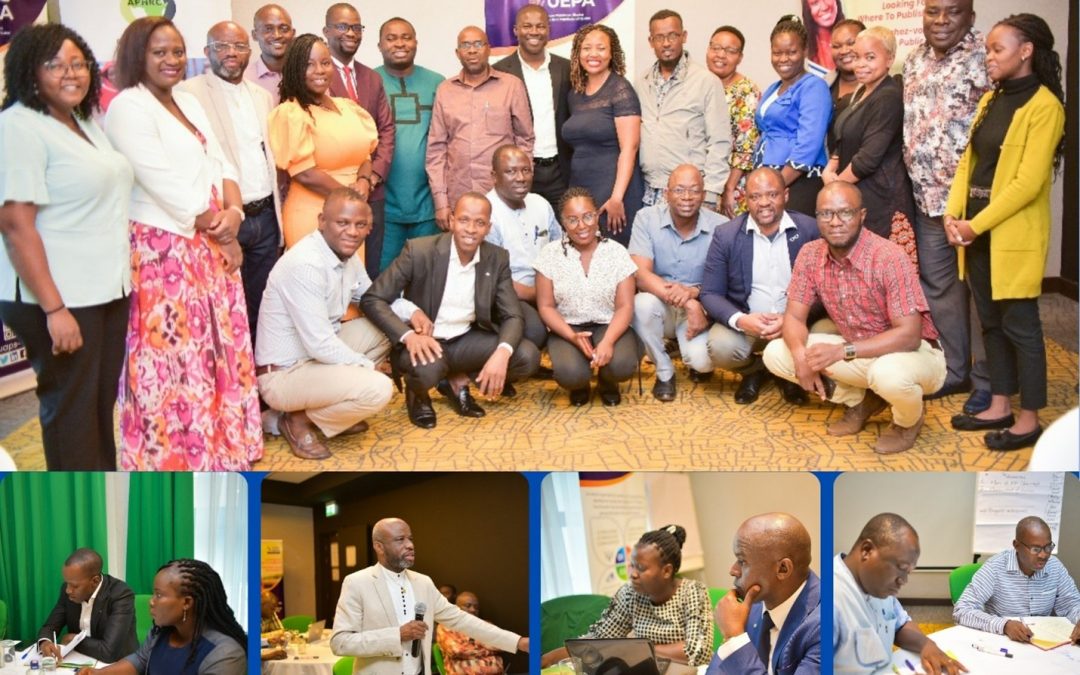
From 29 May to 1 June 2023, the Union for African Population Studies (UAPS), through its Family Planning and Sexual and Reproductive Health and Rights (FP/SRHR) Thematic Panel, convened a four-day workshop in Nairobi, Kenya. Organized in partnership with the African Population and Health Research Centre (APHRC), the event brought together 24 participants from 11 African countries, including early career researchers, senior scholars, and practitioners.
The workshop provided a platform to reflect on the current evidence and policy landscape in FP/SRHR, while strengthening skills in research, writing, and policy communication for the next generation of African scholars.
Objectives
The workshop aimed to:
- Enhance participants’ capacity in scientific writing, grant development, and policy communication.
- Provide a forum to share and critique emerging research on FP/SRHR.
- Strengthen collaboration across countries and disciplines.
- Lay the foundation for future publications and policy engagement by the FP/SRHR Thematic Panel.
Structure and Key Activities: Learning and Collaboration
The program combined keynote presentations, technical training, research paper sessions, and group projects, striking a balance between theory, practice, and peer learning.
Key highlights included:
- Expert sessions on fertility trends, contraception, and links between mental health and reproductive health.
- Data-for-decision-making training led by APHRC, focused on communicating evidence to policymakers.
- Scientific writing workshops covering journal selection, publication ethics, and strategies for publishing.
- Grant proposal development sessions, enabling participants to refine competitive funding applications.
- Group research projects on adolescent SRHR, women’s empowerment, male involvement in family planning, and adolescent sexual behaviour.
Research in Action
Early career researchers presented studies on adolescent behaviour, traditional contraceptive practices, women’s empowerment, and sexual health during humanitarian crises. These presentations generated robust discussions on context-specific solutions and the importance of African-led research frameworks.
Group projects initiated during the workshop are expected to produce peer-reviewed papers and policy briefs, with deadlines set for late 2023.
Outcomes and Commitments
The Nairobi workshop generated several tangible outcomes:
- Publication targets: Papers to feed into a special issue of African Population Studies and other journals.
- Policy engagement: Groups committed to drafting briefs tailored for decision-makers.
- Ongoing mentorship: Senior panel members pledged structured follow-up support to ECRs.
- Continuous learning: UAPS announced monthly virtual seminars and panel sessions planned for the UAPS Conference 2024.
Challenges and Future Directions
Participants highlighted persistent challenges in advancing FP/SRHR research and policy in Africa:
- Limited integration of mental health within SRHR.
- Restrictive policies and inadequate funding for FP/SRHR programs.
- Weak research–policy communication mechanisms.
- Climate change as an underexplored driver of SRHR outcomes.
In response, UAPS and partners committed to:
- Strengthening African-led scholarship through mentorship and collaboration.
- Expanding capacity-building in policy communication and advanced research methods.
- Advocating for sustainable funding for FP/SRHR research and programs.
Building Momentum
The workshop laid a strong foundation for advancing FP/SRHR research and policy engagement in Africa. By fostering cross-country collaboration, setting publication and advocacy goals, and supporting early career researchers, UAPS is helping ensure that African voices and evidence remain central in shaping reproductive health policy.
As one participant reflected:
“This is not just about research; it’s about building a movement for evidence-based change in Africa’s SRHR landscape.”
Recent Comments